 $7.99 FLAT RATE ON ALL OTHER ORDERS


How Often Should You Bathe Your Dog? A Coat and Lifestyle Guide
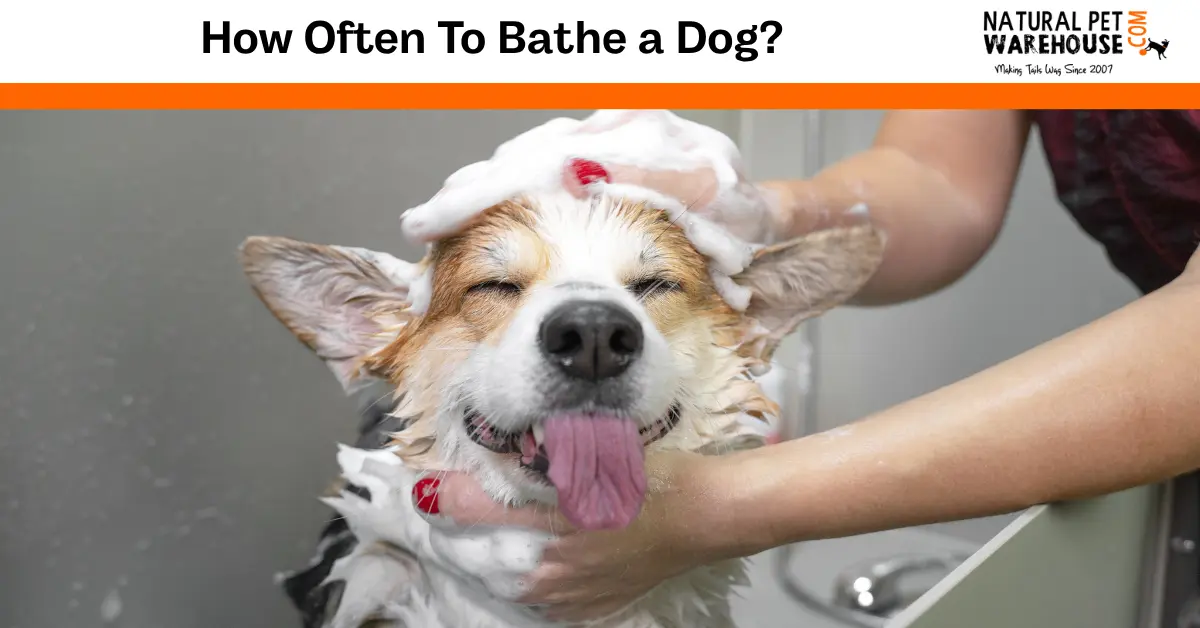

Bathing helps keep your dog clean, comfortable, and smelling fresh, but how often should you actually reach for the shampoo? There isn't one bathing schedule that works for every dog.
When determining how often you should bathe a dog, consider coat type, activity level, lifestyle, skin condition, and the type of shampoo you're using. Some dogs may need regular baths because they're frequently outdoors, while others can go considerably longer between washes.
Understanding your individual dog's grooming needs can help you maintain a healthy skin and coat routine without bathing unnecessarily.
How Often Should You Bathe a Dog?
For many healthy dogs, bathing every few weeks to every few months may be appropriate, but there is no universal schedule.
Rather than bathing according to the calendar alone, consider whether your dog is dirty, has developed a noticeable odor, or needs bathing as part of their regular coat maintenance.
Factors that influence bathing frequency include:
- Coat length and texture
- Activity level
- Indoor versus outdoor lifestyle
- Swimming
- Dirt and mud exposure
- Skin sensitivity
- Grooming routine
- Veterinary recommendations
Dogs with diagnosed skin conditions may need a completely different bathing schedule using products recommended by their veterinarian.
Bathing Frequency by Coat Type
Your dog's coat can play a major role in determining how frequently bathing is needed.
Short-Haired Dogs
Dogs with short, smooth coats are often relatively easy to maintain. Regular brushing can help remove loose hair and surface debris between baths.
If your short-haired dog spends most of their time indoors and remains clean, frequent shampooing may not be necessary.
Long-Haired Dogs
Long coats can collect dirt, debris, and odors more easily, particularly on dogs that spend significant time outdoors.
Regular brushing is important because bathing a tangled or matted coat can make grooming more difficult. Long-haired dogs may require more frequent coat maintenance even when they don't need a complete bath.
Double-Coated Dogs
Double-coated breeds have a dense undercoat beneath their outer coat. Regular brushing can help remove loose undercoat and manage shedding.
When bathing a double-coated dog, thorough rinsing and drying are particularly important because moisture can remain trapped within a dense coat.
Curly or Continuously Growing Coats
Dogs with curly or continuously growing coats often require a more structured grooming routine that includes brushing, bathing, trimming, and professional grooming.
Bathing frequency may therefore be determined partly by the dog's grooming schedule.
Active and Outdoor Dogs May Need More Frequent Baths
Lifestyle can be just as important as coat type.
A dog that spends weekends hiking, swimming, running through mud, or exploring outdoors will probably need bathing more frequently than a dog that primarily relaxes inside.
Consider an additional bath when your dog:
- Gets muddy or noticeably dirty
- Swims in lakes, ponds, or other outdoor water
- Develops a strong odor
- Gets something unwanted on their coat
- Needs cleaning after an outdoor adventure
The goal isn't to bathe an active dog every time they step outside. Use your dog's coat condition and cleanliness as your guide.
Can You Bathe a Dog Too Often?
Frequent bathing may cause problems for some dogs, particularly when using products that are too harsh for their skin.
That's why the shampoo itself matters.
Choose a product specifically formulated for dogs and follow its directions. Pet owners interested in gentle grooming options can browse natural dog shampoo formulated for different skin, coat, and bathing needs.
If your dog's skin becomes unusually dry, flaky, red, or irritated, reconsider the bathing routine and speak with your veterinarian if symptoms persist.
Why Dog Shampoo Matters
Human and canine skin are different, so it's generally best to use shampoo formulated specifically for dogs.
Depending on your dog's needs, you may find formulas designed for:
- Routine cleansing
- Sensitive skin
- Dry skin
- Coat conditioning
- Odor control
- Puppies
- Specific coat types
Natural formulas may feature ingredients such as oatmeal, aloe vera, botanical extracts, and gentle cleansing ingredients.
The right shampoo should match both your dog's skin and the reason you're bathing them.
What About Dogs With Skin Problems?
A dog experiencing persistent itching, redness, hair loss, sores, unusual odors, or recurring skin problems shouldn't simply be bathed more frequently without determining the cause.
Skin problems can have many underlying causes, and some dogs may need a veterinarian-directed bathing schedule or medicated shampoo.
This is different from routine grooming. Follow your veterinarian's instructions when bathing is part of managing a diagnosed skin condition.
Build a Complete Dog Grooming Routine
Bathing is only one part of keeping your dog clean and comfortable.
A complete routine may also include:
- Regular brushing
- Nail trimming
- Ear care
- Dental care
- Paw care
- Coat trimming when appropriate
- Checking the skin and coat for changes
Natural Pet Warehouse carries a variety of dog grooming products to help pet owners build a routine suited to their dog's individual needs.
Frequently Asked Questions
How often should you bathe a dog?
There is no single schedule appropriate for every dog. Coat type, lifestyle, activity, skin condition, and grooming needs should all be considered when deciding how frequently your dog needs a bath.
How often should you bathe an indoor dog?
An indoor dog that remains relatively clean may need bathing less frequently than an active outdoor dog. Regular brushing and spot cleaning can also help maintain the coat between baths.
Should you bathe a dog after swimming?
It depends on where the dog was swimming and the condition of their coat afterward. Dogs that swim in outdoor water may benefit from rinsing or bathing to remove dirt, debris, or other material from the coat.
Can bathing a dog too often cause dry skin?
Frequent bathing or using an inappropriate shampoo may contribute to dryness or irritation in some dogs. Use products formulated for dogs and adjust bathing frequency based on your dog's skin and coat.
What shampoo should I use to bathe my dog?
Choose a dog shampoo appropriate for your dog's skin, coat, age, and grooming needs. Dogs with persistent skin problems should be evaluated by a veterinarian before relying on routine shampoo alone.
Find the Right Bathing Routine for Your Dog
So, how often should you bathe a dog? The answer depends less on a rigid schedule and more on the individual dog in front of you.
Consider coat type, outdoor activity, swimming, skin condition, and overall cleanliness. Combine appropriate bathing with regular brushing and other grooming practices to maintain your dog's coat between baths.
Explore natural dog shampoo and other dog grooming products at Natural Pet Warehouse to build a grooming routine that works for your dog.
